



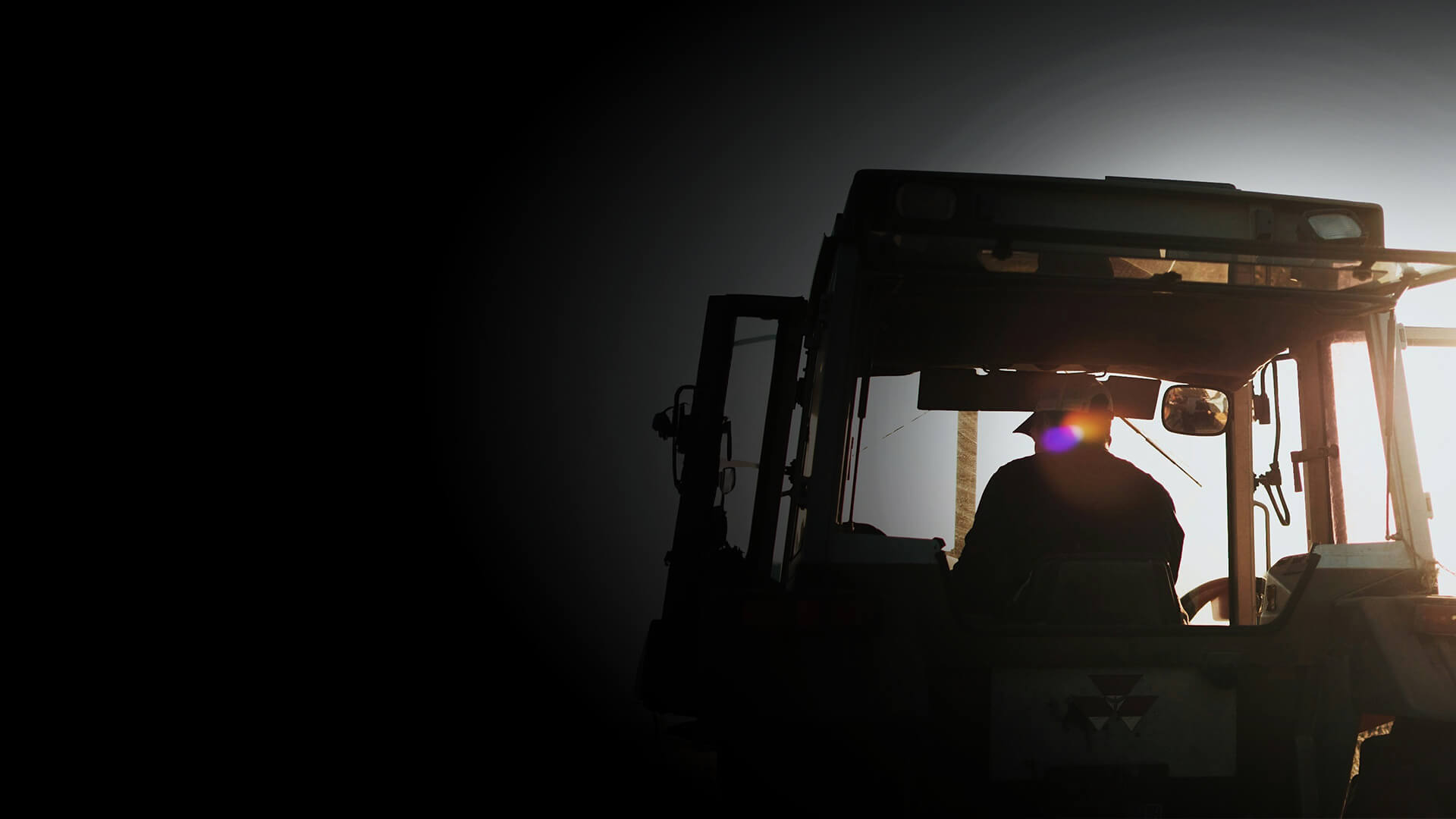
If you’ve driven through rural Ohio during planting or harvest season, you know what it’s like to come around a bend and find a tractor taking up most of the road.
It’s a common reality in agricultural communities, and most of the time, everyone gets through it fine. But when something goes wrong, the injuries can be severe, and figuring out who’s responsible isn’t always straightforward.
In 25 years of practicing as an accident injury lawyer in Ohio, I’ve seen these crashes happen on the same stretch of road multiple times. The conditions don’t change, and neither do the consequences.
Why These Accidents Are So Dangerous
Farm equipment is slow, wide, and not built for highway speeds. A combine harvester can span an entire lane. Turns happen wide and without much warning. At dusk or dawn, visibility drops and even well-lit equipment can be hard to spot until you’re already too close.
The crashes that result tend to be serious. Rear-end collisions are common, especially when a car is moving at highway speed and a tractor is moving at fifteen miles per hour. Side-swipe accidents happen during passing attempts on two-lane roads. Intersection crashes occur when farm equipment makes wide turns that other drivers don’t anticipate.
Who Can Be Held Responsible?
Liability in these cases usually comes down to a few key questions: Was the equipment properly marked? Did the operator follow traffic laws? Was the other driver paying attention?
The farmer or equipment operator may be liable if they were operating without the required slow-moving vehicle (SMV) emblem, failed to signal a turn, or otherwise violated Ohio traffic laws. Farmers have the same obligations on public roads as any other driver.
Other motorists can share fault too. Ohio follows a comparative negligence standard, which means if you were speeding or attempting an unsafe pass, your compensation may be reduced based on your percentage of fault.
In some cases, the equipment manufacturer or a maintenance provider may also bear responsibility, particularly if defective lighting, a mechanical failure, or missing safety components played a role in the crash. These situations can overlap with farm equipment malfunction claims.
What You Can Recover
If you were injured in a collision with farm machinery, you may be entitled to compensation for medical bills, lost wages, pain and suffering, and future care needs. The complication is that agricultural operations often carry commercial insurance policies, and those insurers move quickly to protect their clients. Having an attorney in your corner early makes a real difference.
Contact Harris Law Today
At Harris Law, we handle farming and agricultural injury cases across Ohio. Sean Harris investigates these crashes firsthand: visiting the scene, reviewing equipment records, and building the kind of case that stands up to a well-funded defense. If you were hurt, schedule a consultation to talk through your options. There’s no cost unless we win.
Frequently Asked Questions
- Can I sue a farmer if their tractor caused my accident?
Yes, if the farmer or equipment operator was negligent (whether that means failing to use required safety markings, making an unsafe turn, or violating traffic laws), they can be held liable for your injuries just like any other driver on the road. - What is an SMV emblem and why does it matter?
A slow-moving vehicle (SMV) emblem is the orange triangle you see on the back of farm equipment. Ohio law requires it on any vehicle traveling under 25 mph on public roads. If a piece of equipment was missing one, that’s a significant factor in establishing liability. - What if I was partially at fault for the accident?
Ohio uses a comparative negligence standard, meaning your compensation is reduced by your percentage of fault. As long as you’re less than 51% responsible, you can still recover damages. But the specifics matter, which is why having an attorney evaluate your case early is important. - How long do I have to file a claim after a farm equipment accident in Ohio?
In most personal injury cases in Ohio, you have two years from the date of the accident to file a lawsuit. Waiting too long can cost you your right to recover anything, so it’s worth speaking with an attorney sooner rather than later. - What if the equipment had a mechanical defect that caused the crash?
If a defect in the machinery contributed to the accident, the manufacturer or a maintenance provider may share liability. These product liability claims run parallel to the negligence claim and can significantly increase the compensation available to you.
